






OUR TEAM
Our team and those of our affiliates have over seventy years of combined experience in India investing and investment research. We bring a range of professional experience in fields such as private equity, investment banking, equity research, management consulting, corporate management and business journalism to inform a far-reaching, fundamental approach to investment.

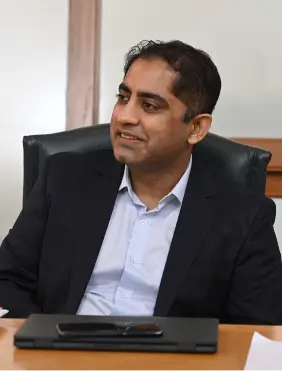
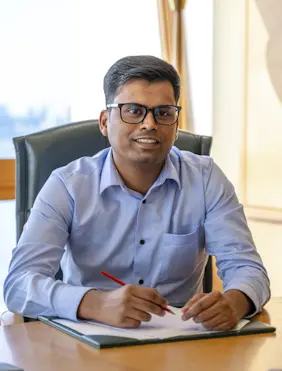


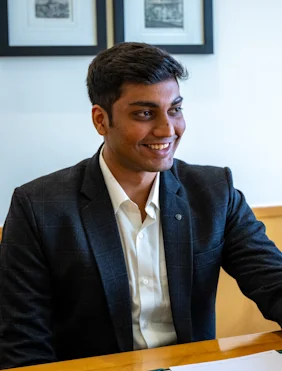
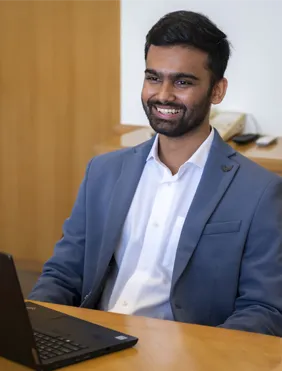


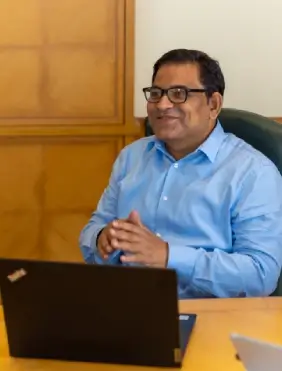



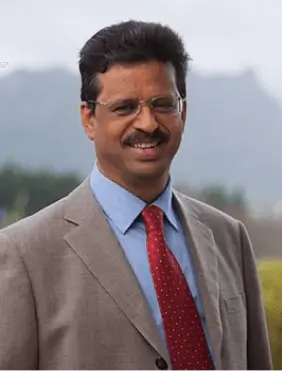
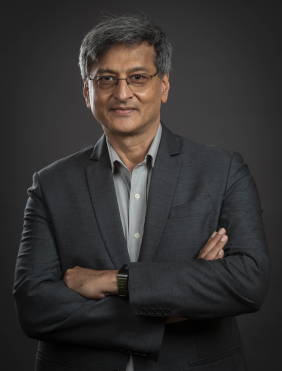


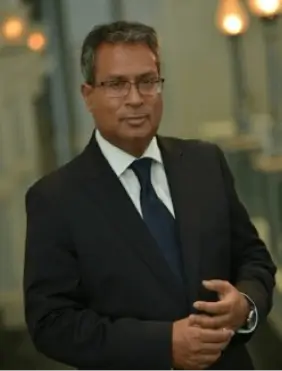
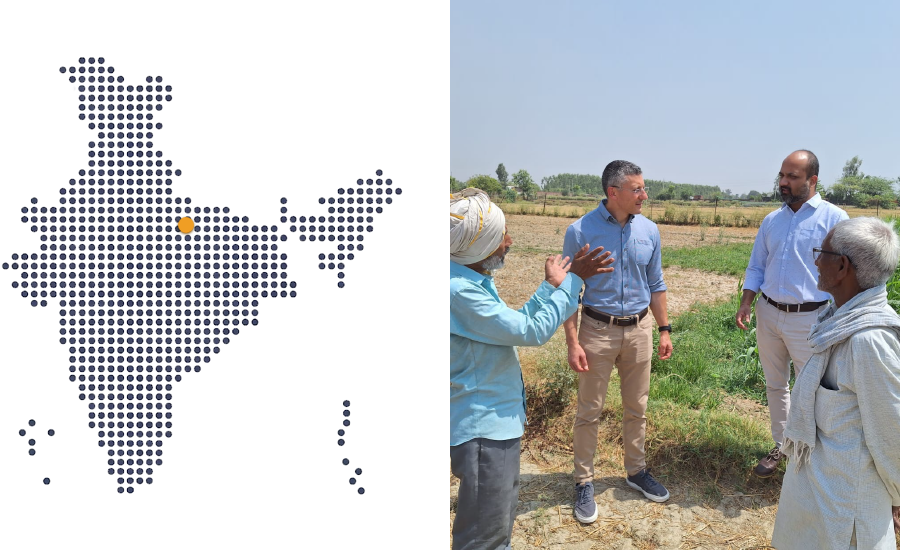
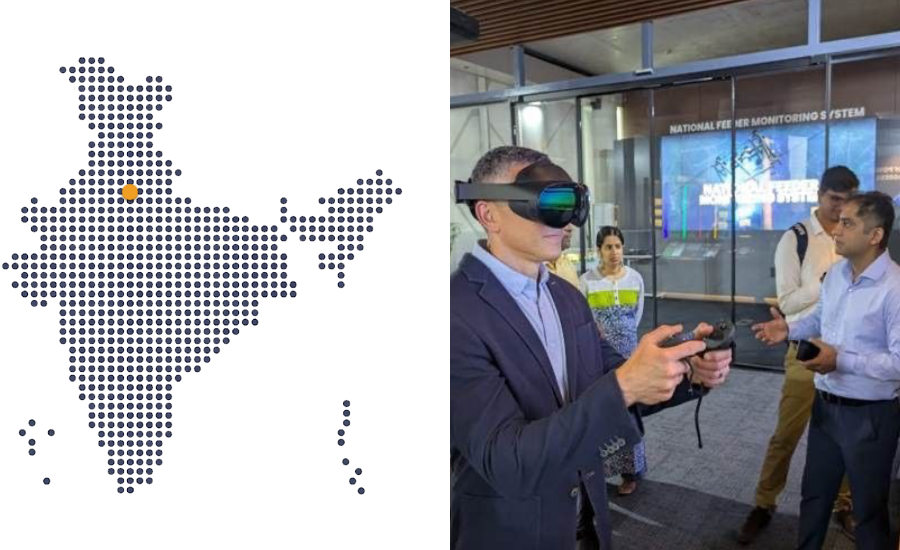
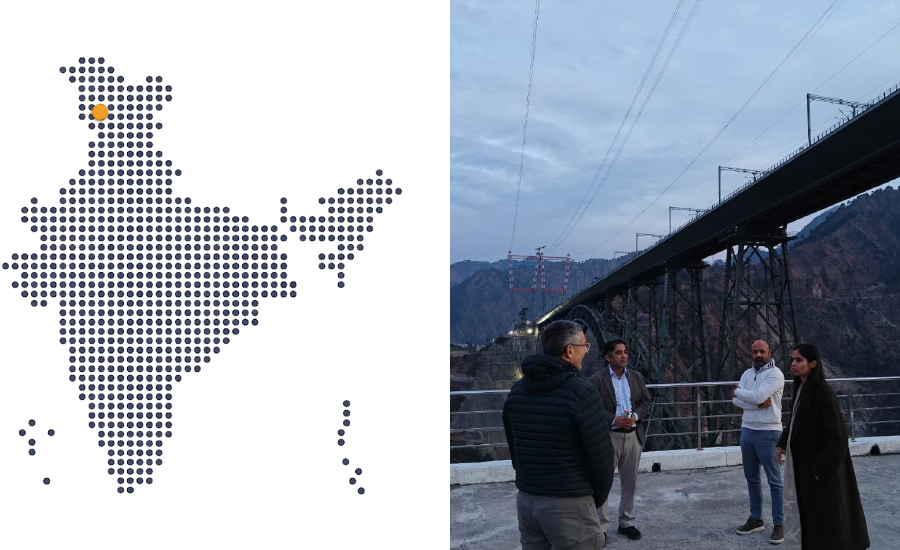
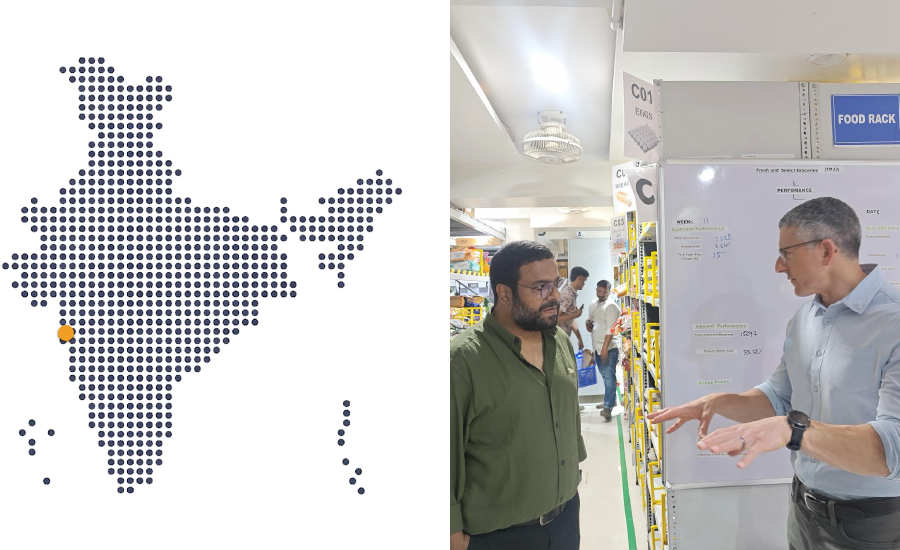



RESEARCH Research is the core of our investment process. It takes us to nearly every corner of India, from executive offices and government conclaves to factory floors, construction sites and agricultural cooperatives. India’s more than 3,000 publicly traded companies are not always well understood by traditional market intermediaries, nor is comprehensive data readily available from secondary sources in many cases. As a result of these inefficiencies, interactions with customers, competitors, suppliers and regulators can yield a genuinely distinctive view of a business. Comprehensive research allows us to identify opportunities that are not widely understood and construct a concentrated, high-conviction and non-consensus portfolio.


India Investing: From Theory To Practice
India Capital In Conversation With Tamal Bandyopadhyay
Highlights
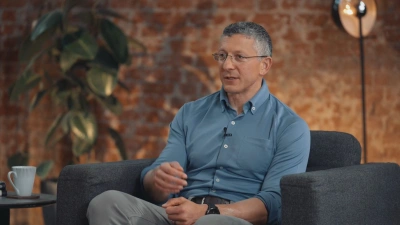
What makes India Capital different
2:59

How we do research
1:52
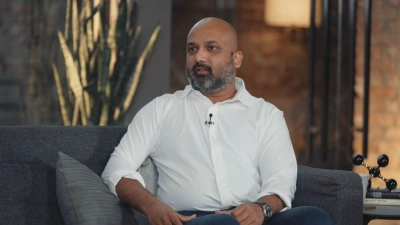
Looking beyond the obvious
4:11

Fieldwork vs. desk work
5:49
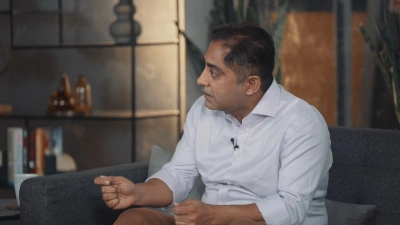
Contrarian and lonely
8:49

Understanding risk
7:11

Mistakes as a teacher
4:43
New market, same old inefficiency
2:43

How AI is changing things and not
3:25


Speakers
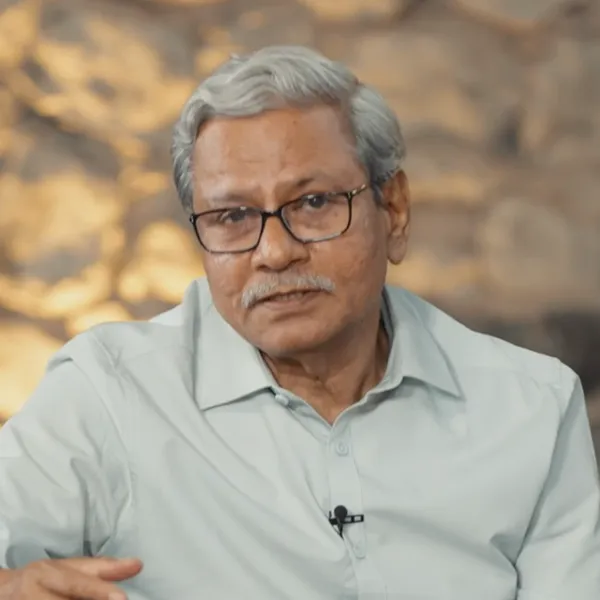
Tamal Bandyopadhyay
Journalist and Author

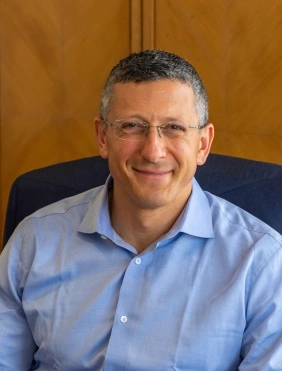
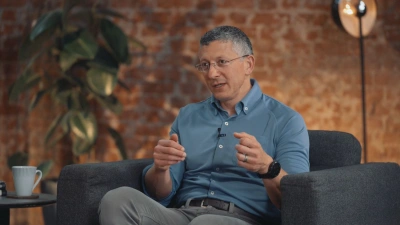
Dan Tennebaum
India Capital Management
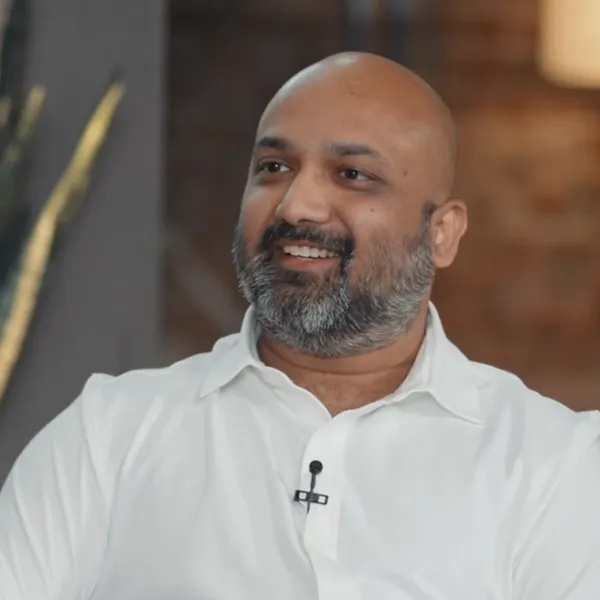
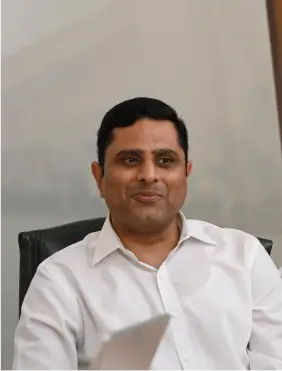
Piyush Goyal
India Capital Research
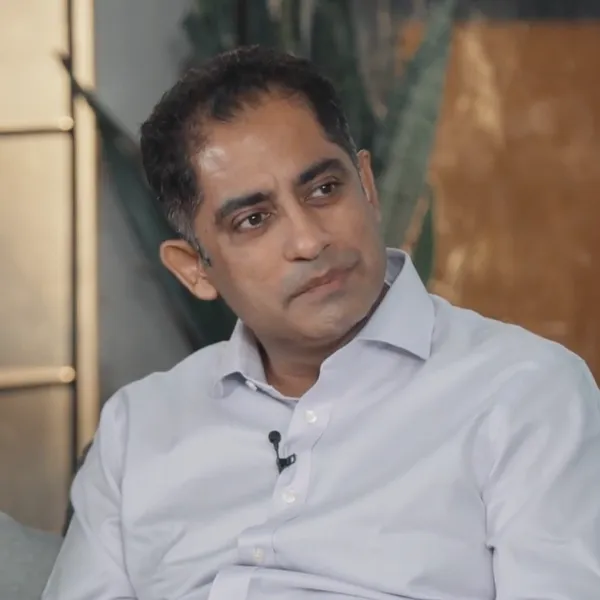
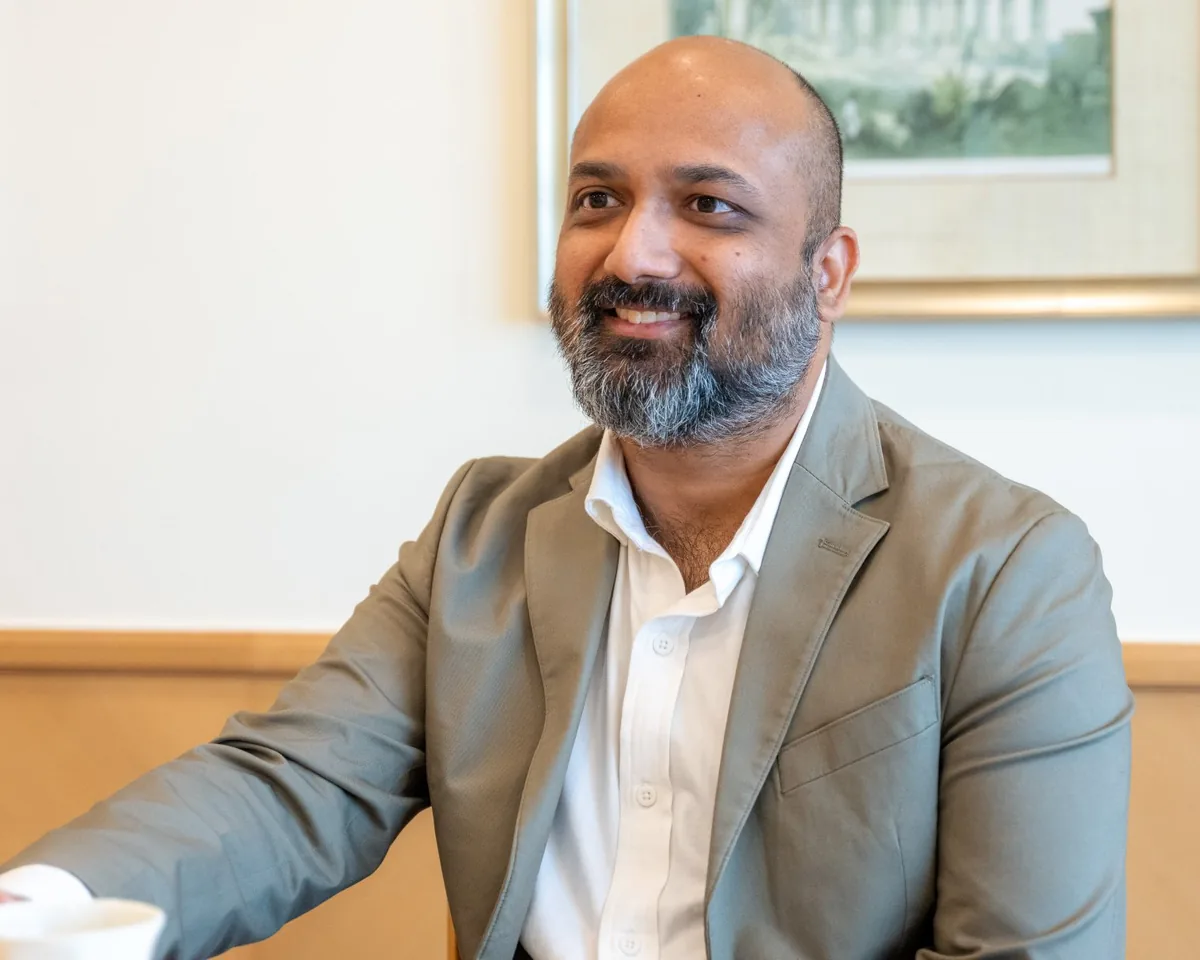
Saket Yadav
India Capital Research
Description
India Capital recently sat down with distinguished financial journalist Tamal Bandyopadhyay to reflect on three decades of investing in Indian public equities.
Over the course of a lively conversation, they explored the difference between investment philosophy as articulated on paper and investment practice as tested in the real-world crucible of India’s markets.
Through stories of actual investments and the far-flung research behind them, the group examined how overlooked markets and long-held investor assumptions can obscure resilient businesses with exceptional economics.
The conversation took place at the erstwhile Bombay Ice Manufacturing Co., which from 1878 made ice—previously a luxury brought by ship from Boston—widely available to the colonial city. Located in Ballard Estate in Mumbai’s historic financial district, and steps from India’s central bank and some of its earliest trading houses, the factory provided an apt setting for a discussion of long-term investing.

 Conference
 Highlights
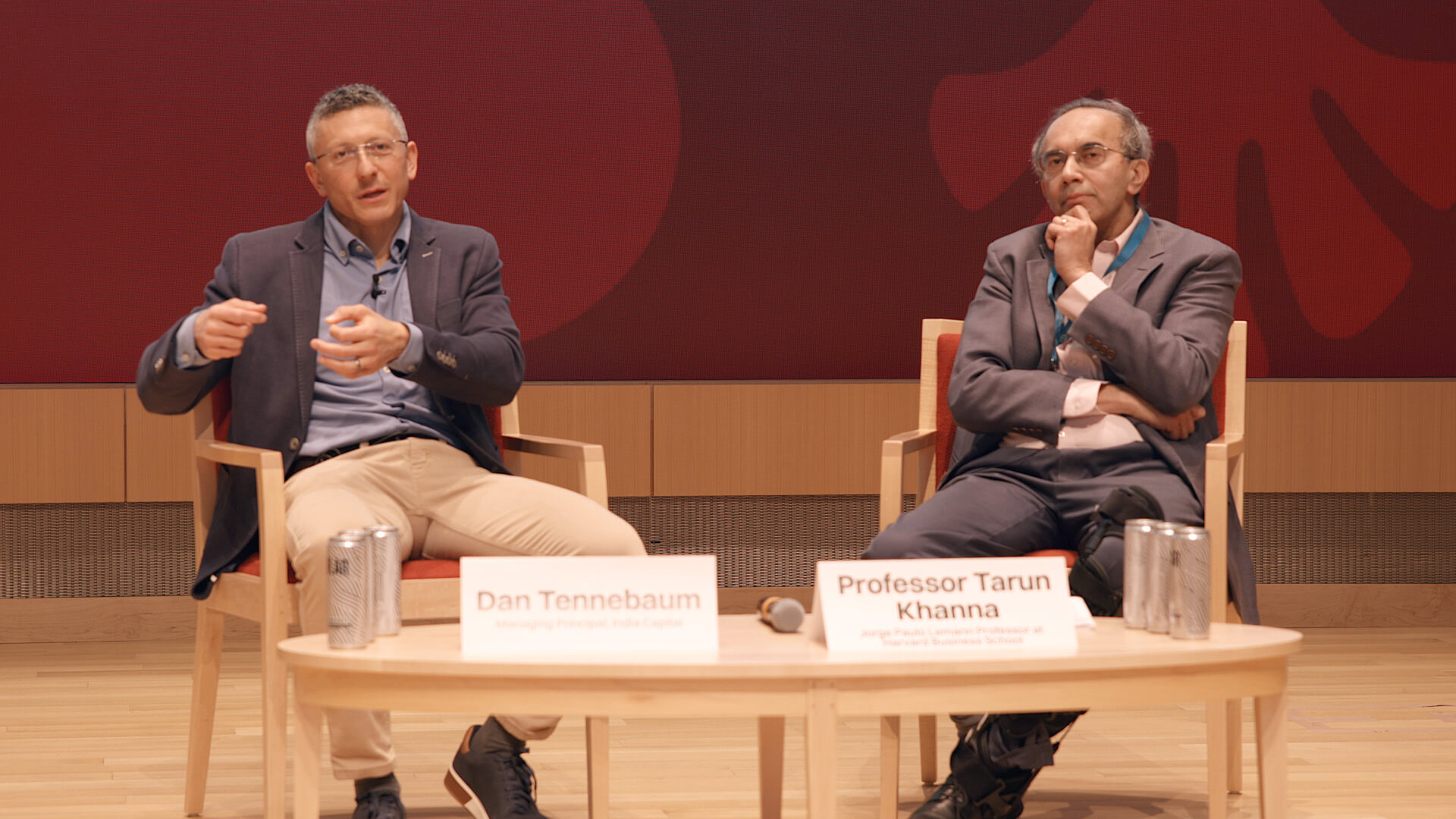
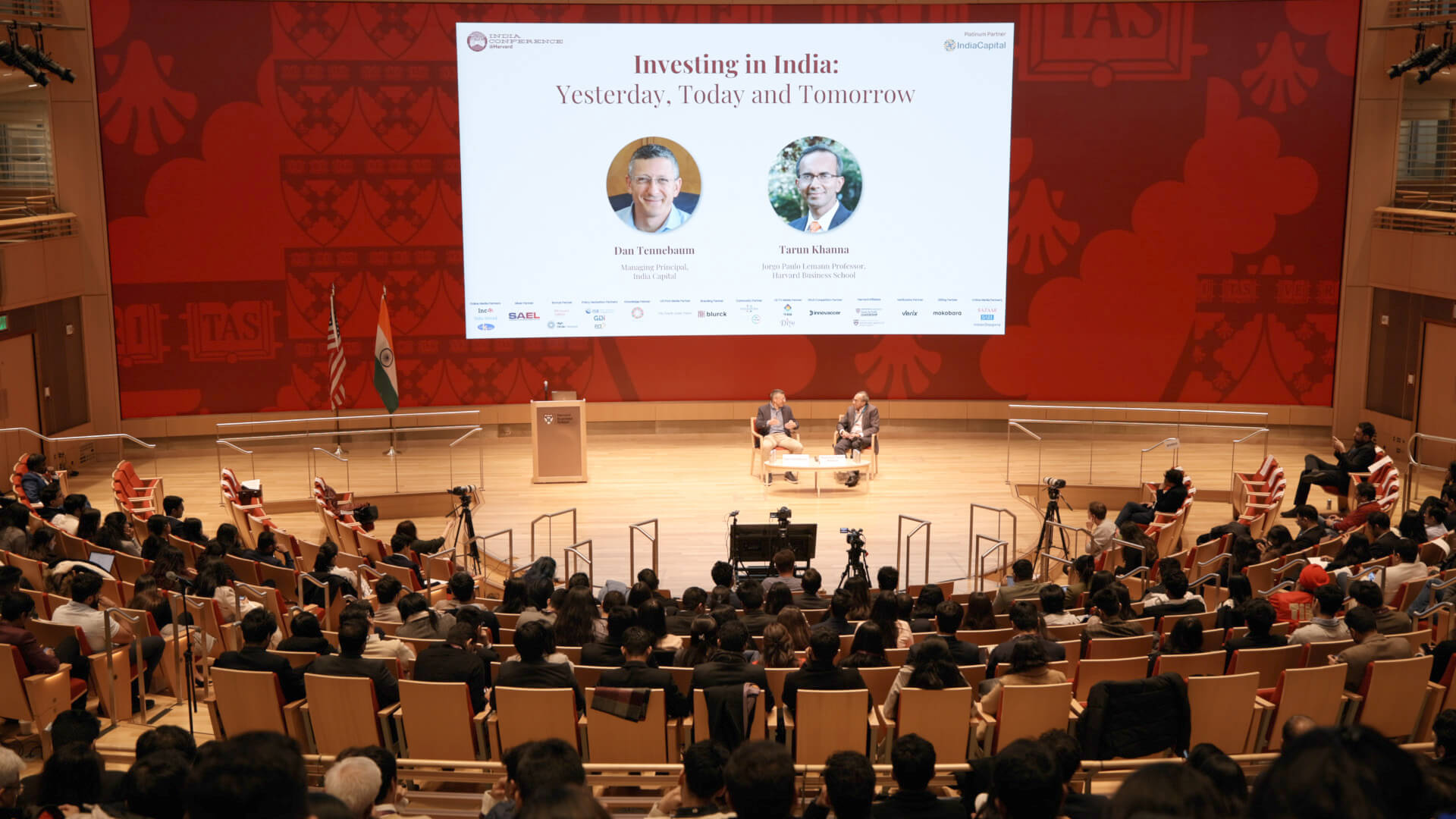
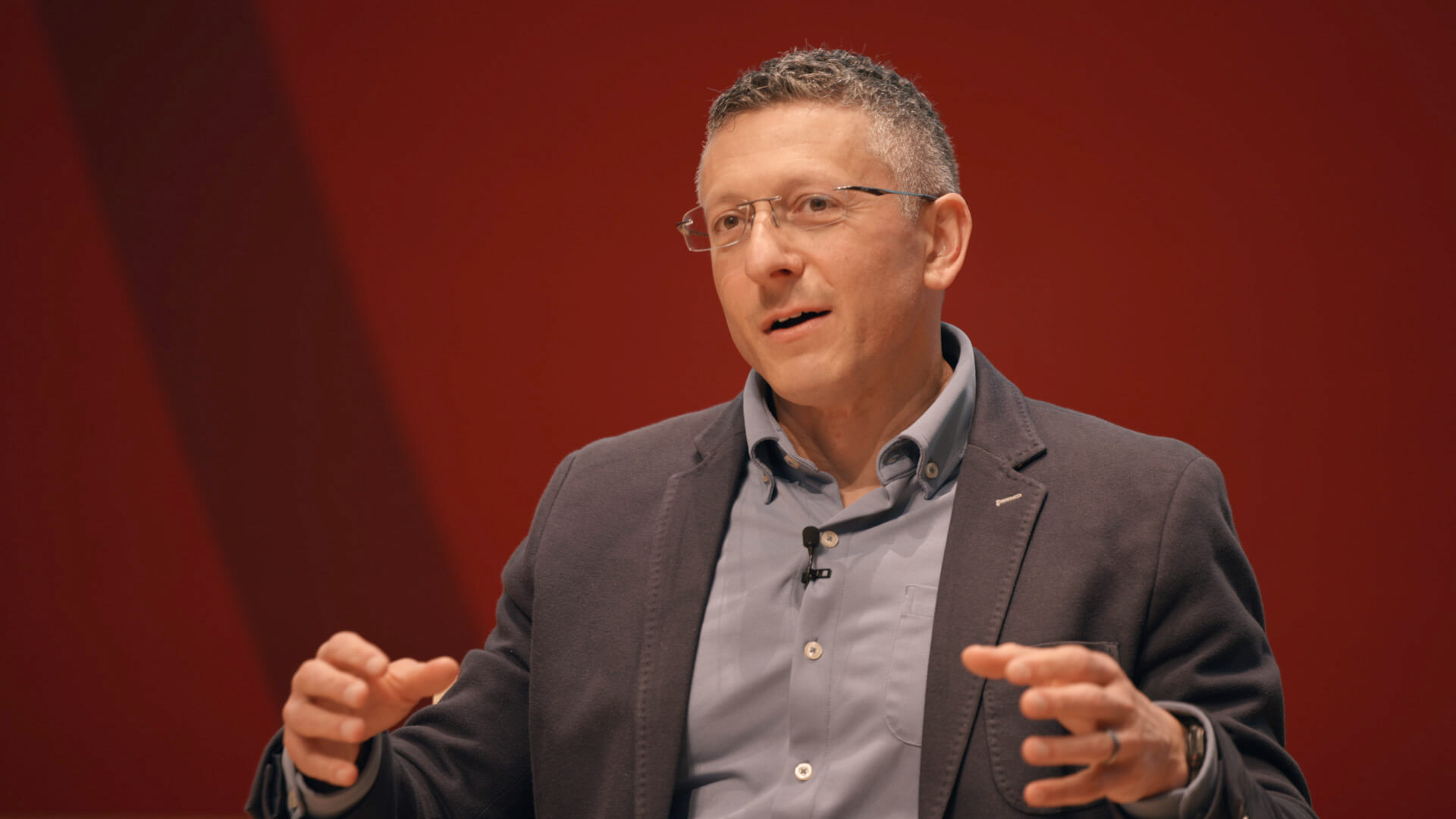
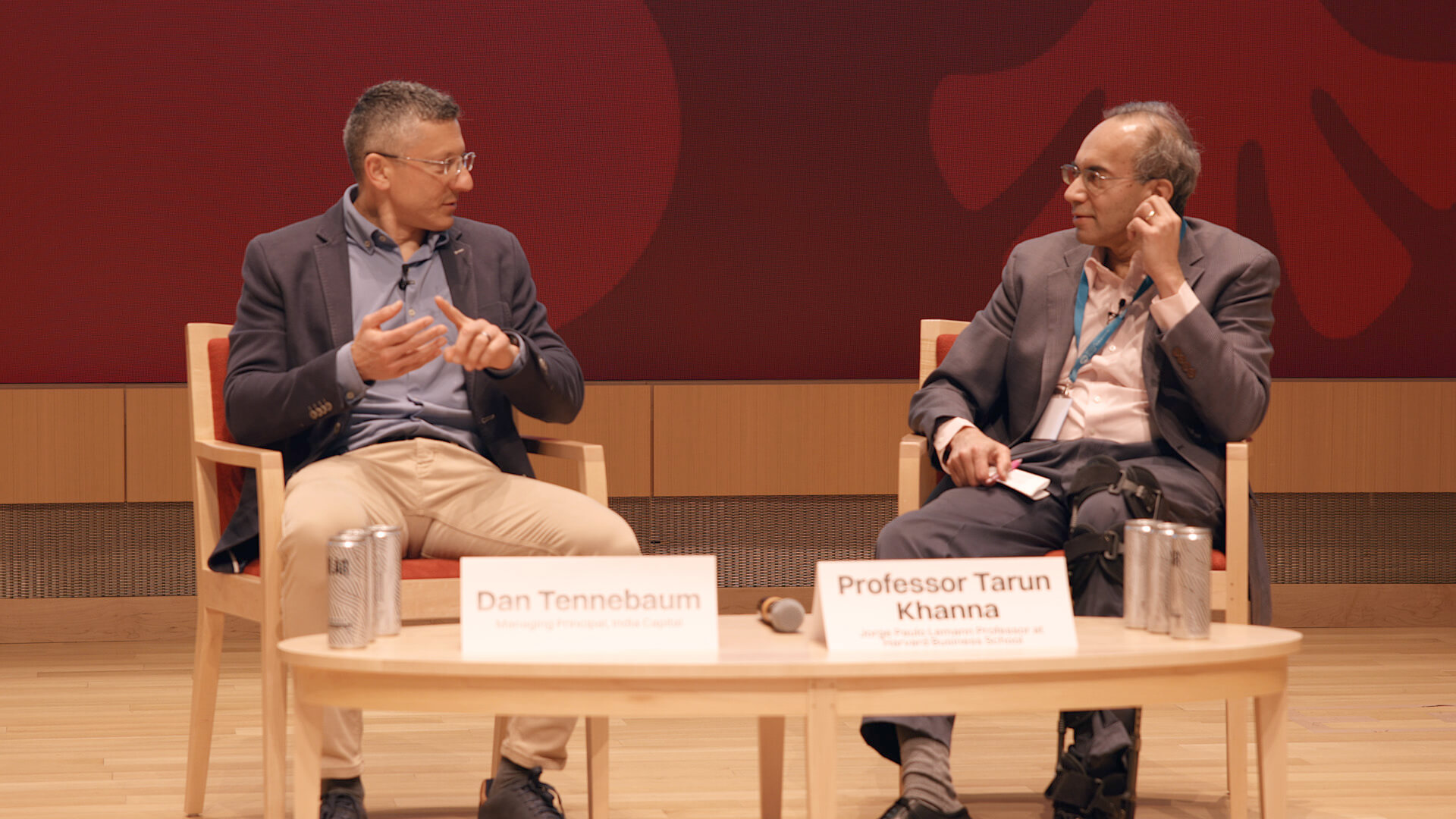
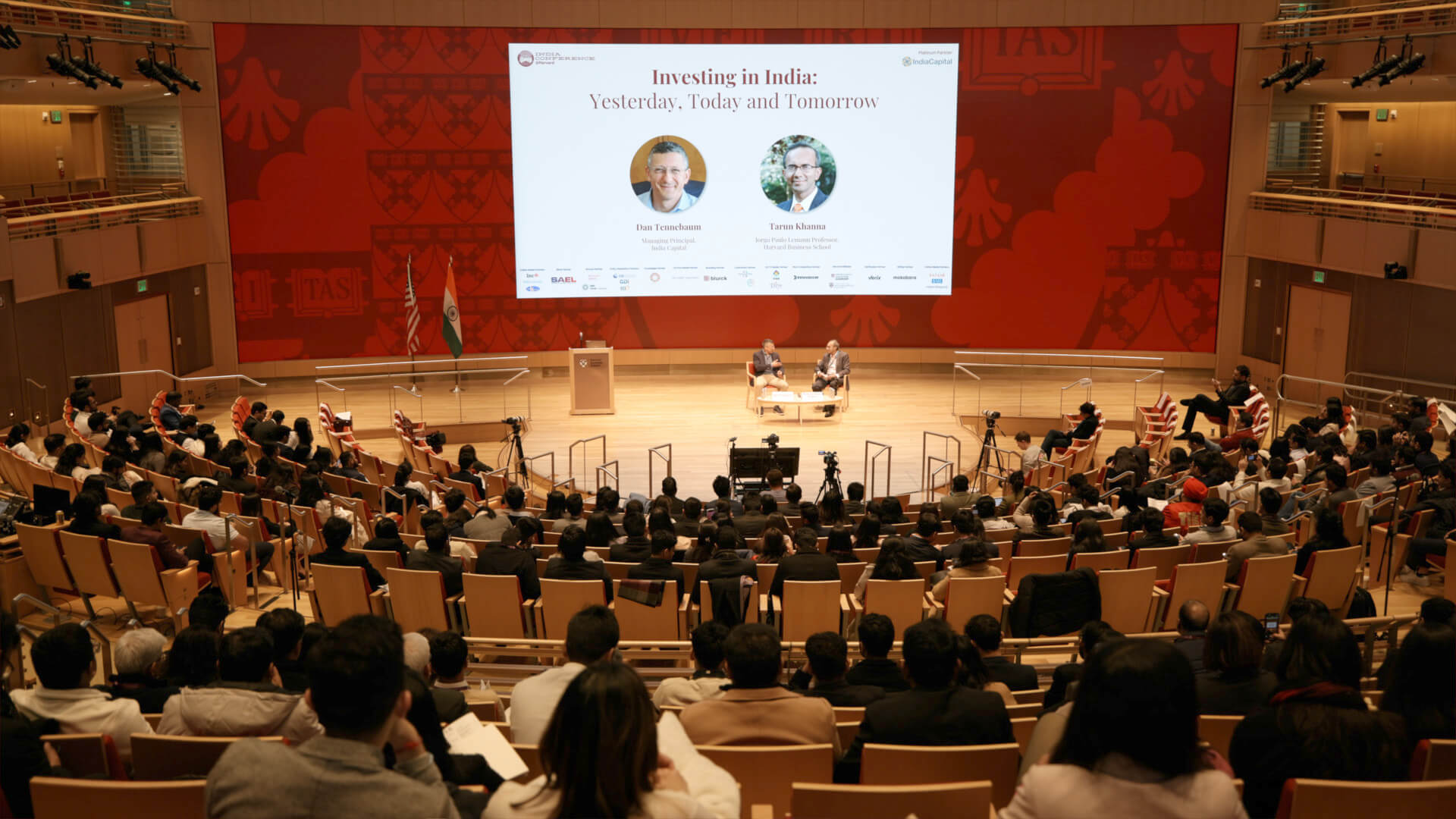
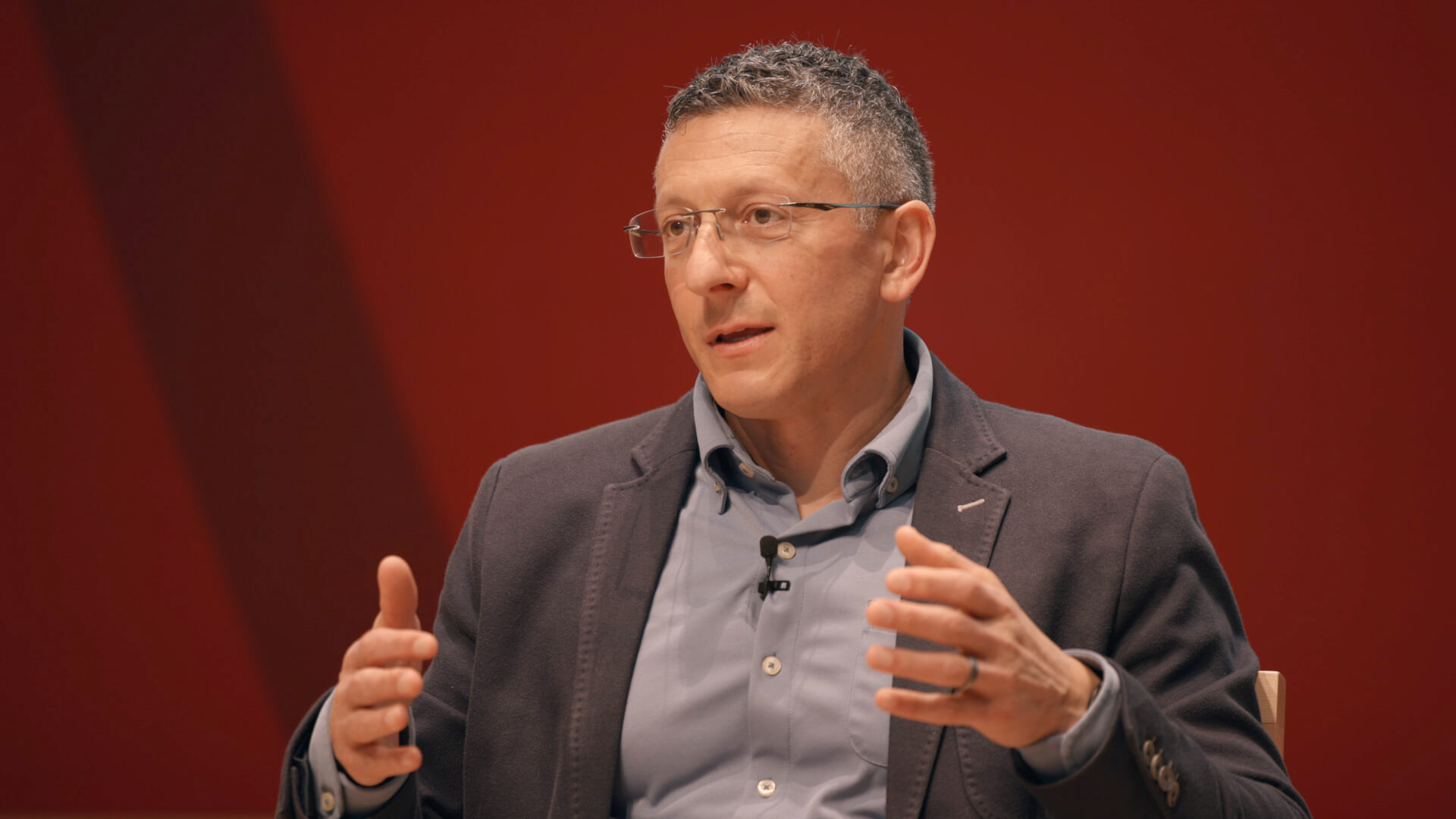
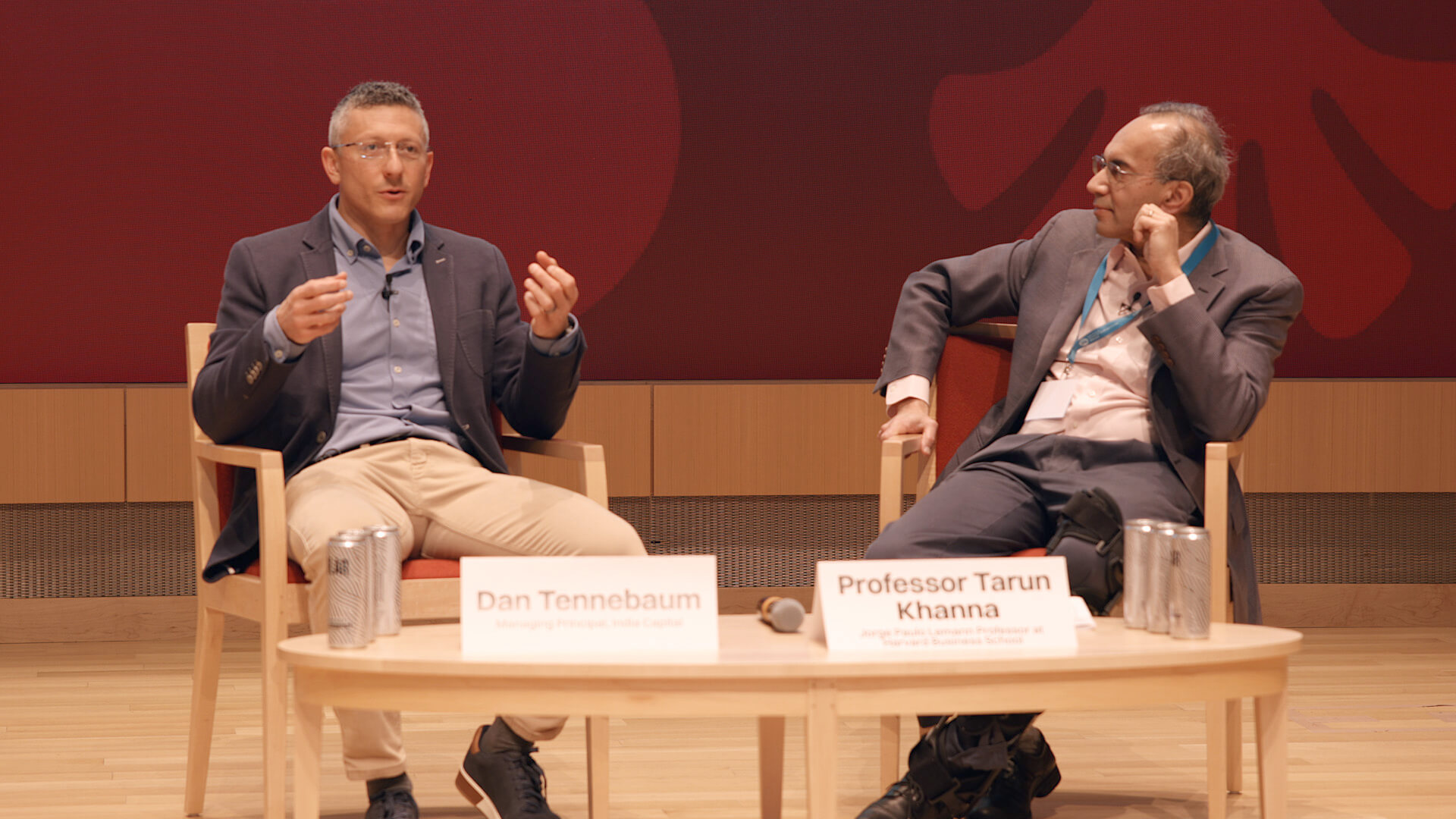
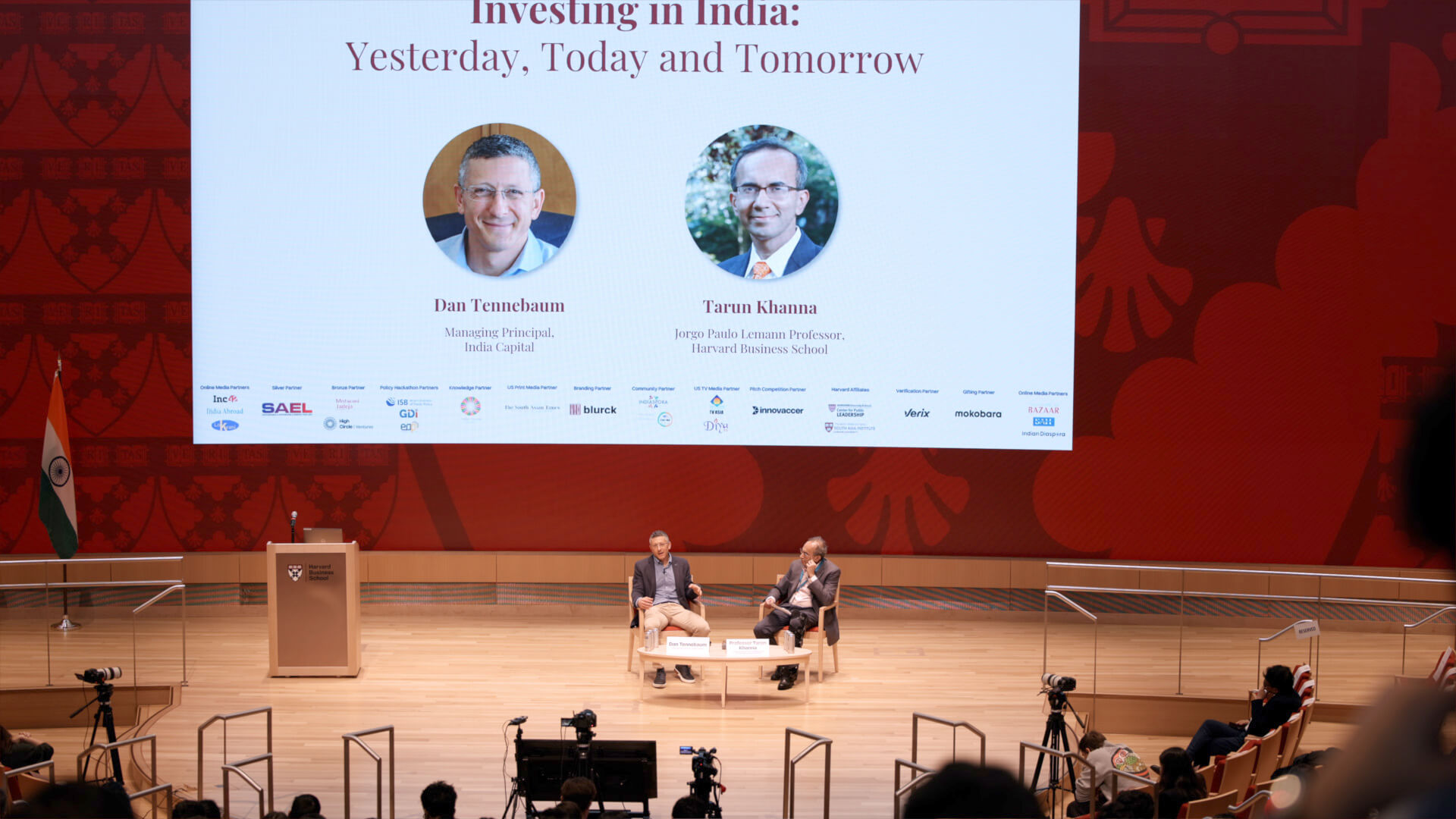
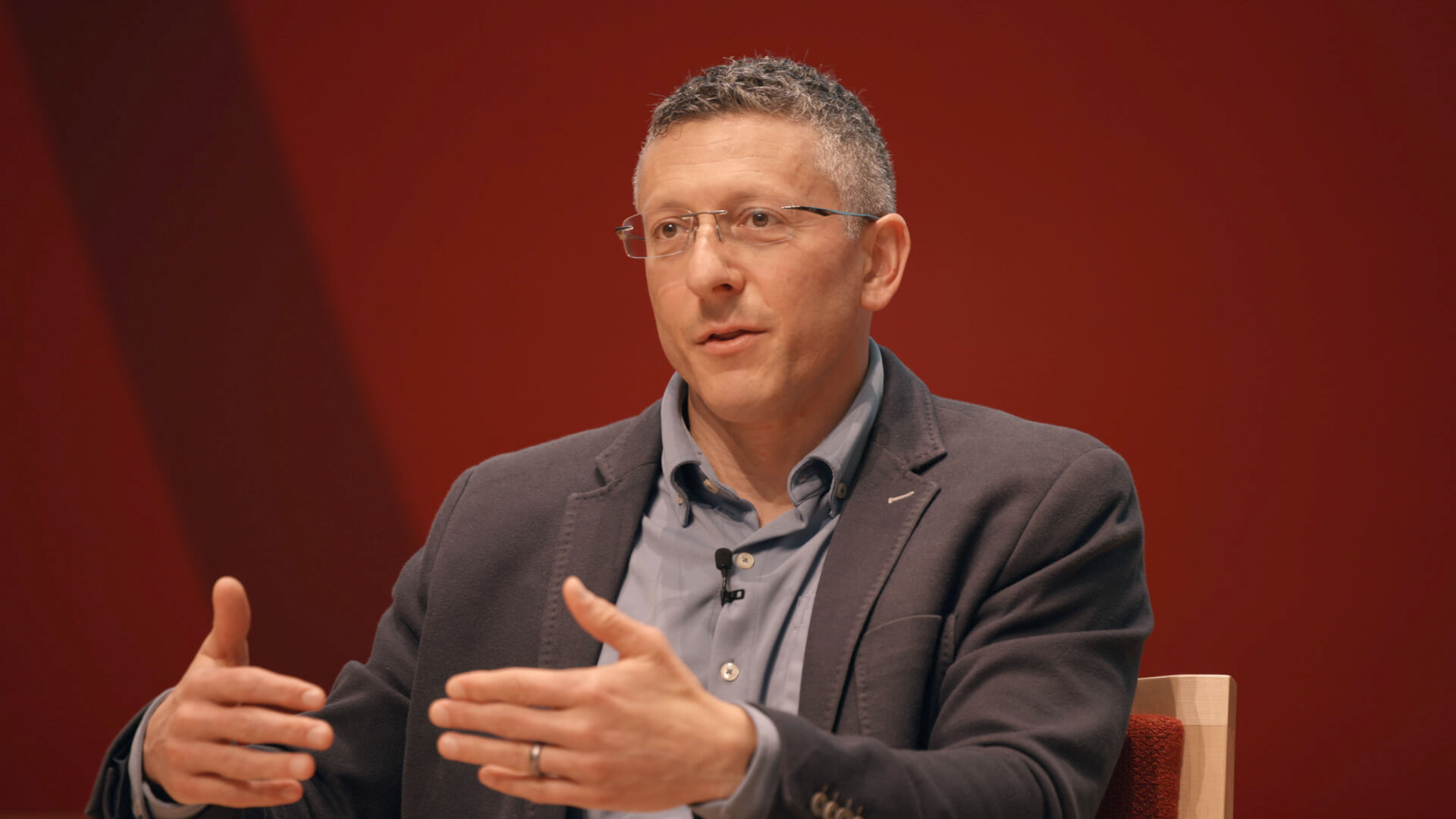
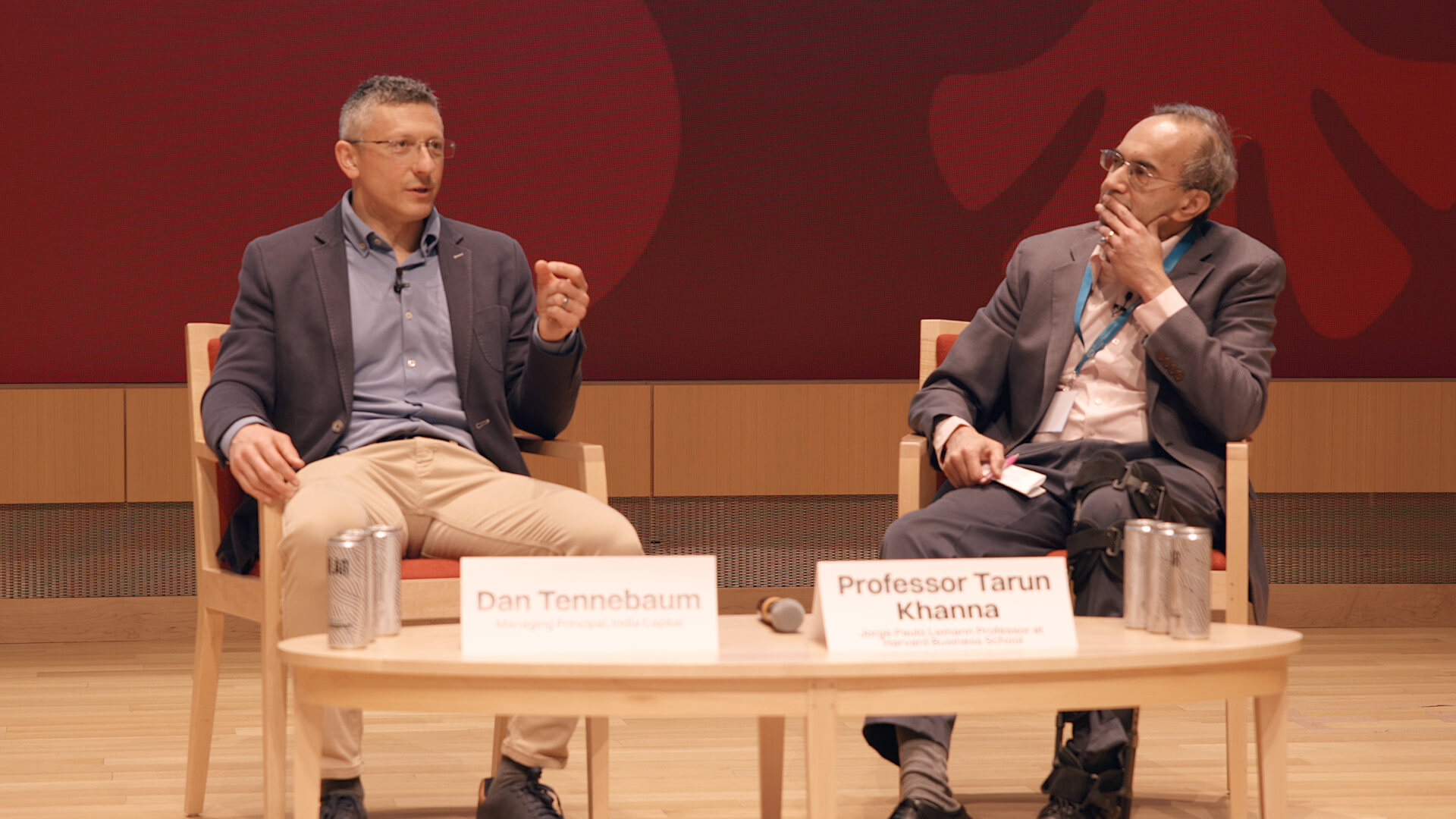
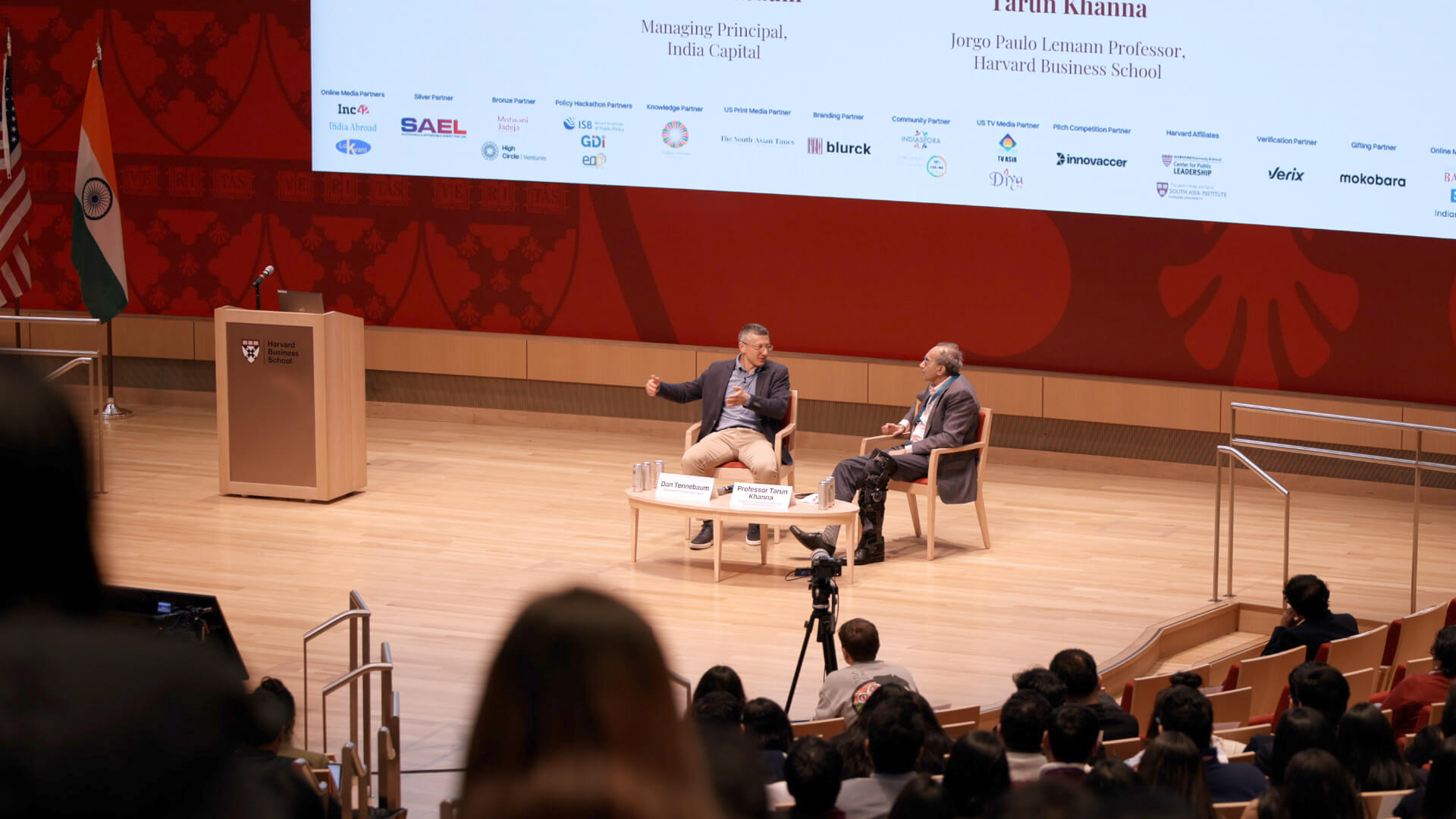
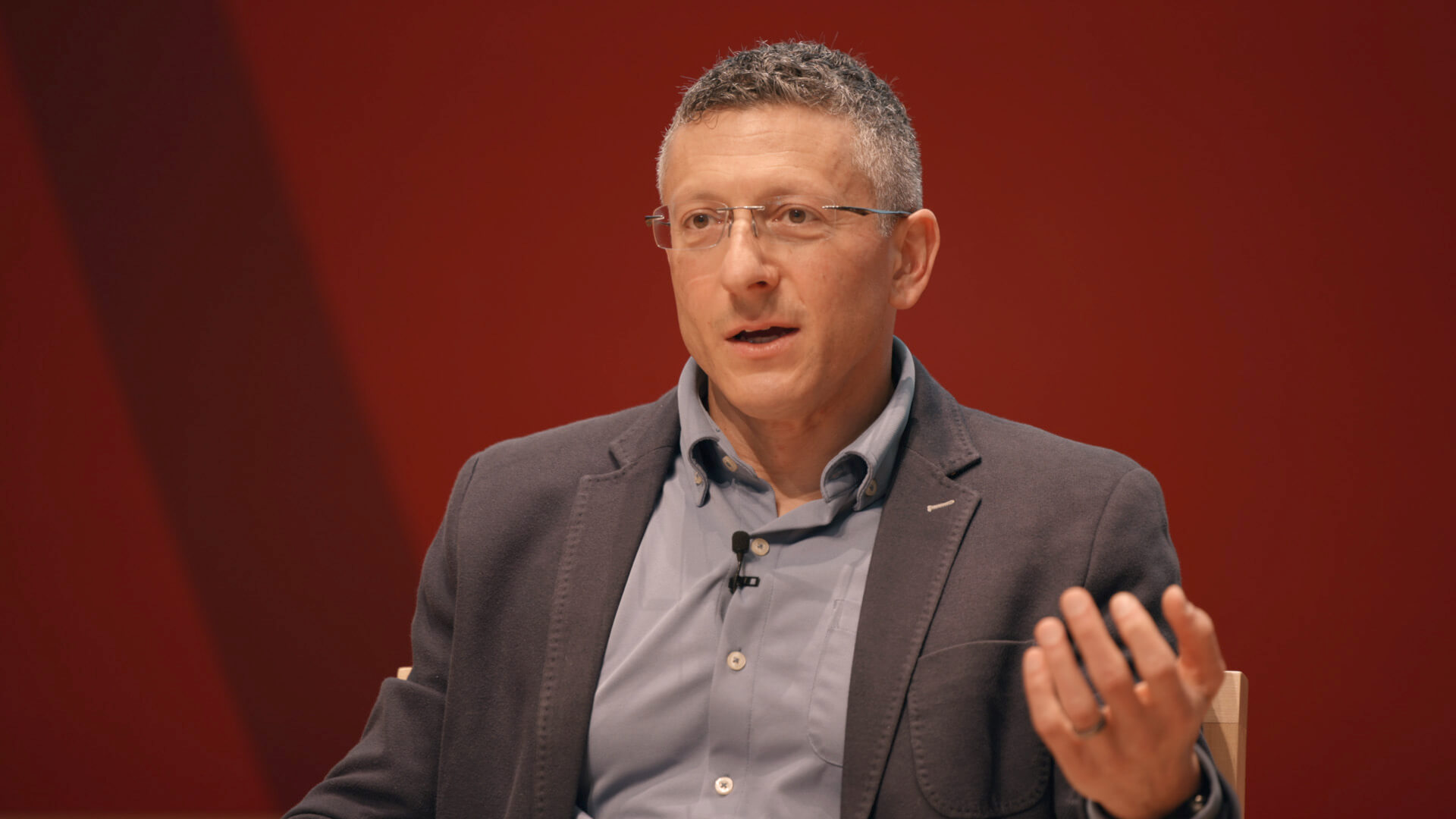
This video is taken from a “fireside chat” I recently had with Professor Tarun Khanna at Harvard’s annual India conference. Professor Khanna leads Harvard’s university-wide South Asia Institute and oversees Harvard Business School’s activities in India. Many years ago, I was his student. More than two decades later, he and I held a wide-ranging conversation about how much has changed since then.
In the intervening years, India’s capital markets have grown thirty-fold and delivered among the best long-term equity returns of any major market in the world, second only to the United States. And yet, there have been painful flameouts of some of India’s highest profile companies -and institutional asset managers- that have left many investors with permanent losses of capital and returns that failed to match the scale of India’s growth.
During our conversation, Professor Khanna asked me to reflect on what it takes to survive and thrive as an investor in India over time, which disciplines will be essential to generating strong returns in the future, and how the best opportunities today are often found in surprising places.
Ours was one of several sessions over two packed days at the India conference. Speakers this year included policymakers, entrepreneurs, scholars, journalists and Bollywood luminaries. The discussions, and more than a few spirited onstage debates, were a vivid reminder of the wildly disparate points of view India’s prominent thinkers hold, their enthusiasm for arguing them, and the love of country that ultimately unites them.
On a personal level, I was struck by how much the conference attendees themselves revealed about today’s India. When I was an MBA student, I had several classmates from India, but there were only three in my cohort who had worked in India (me among them) and I can’t recall many wanting to return after graduation. This year, I met students from the business school and the Kennedy School of Government who already had deep experience in India as entrepreneurs, in the civil service, and even teaching in government schools. They, and many others who have trained at top organizations overseas, are now eager to build careers back home.
The decisive reversal in the flow of India’s human talent, hungry to invest in their country and themselves, is the surest sign I know of the scope of the Indian opportunity and the energy, ambition and intellectual resources its young people are bringing to meet it.
Warmly,
Dan

PODCAST
MAY 2024
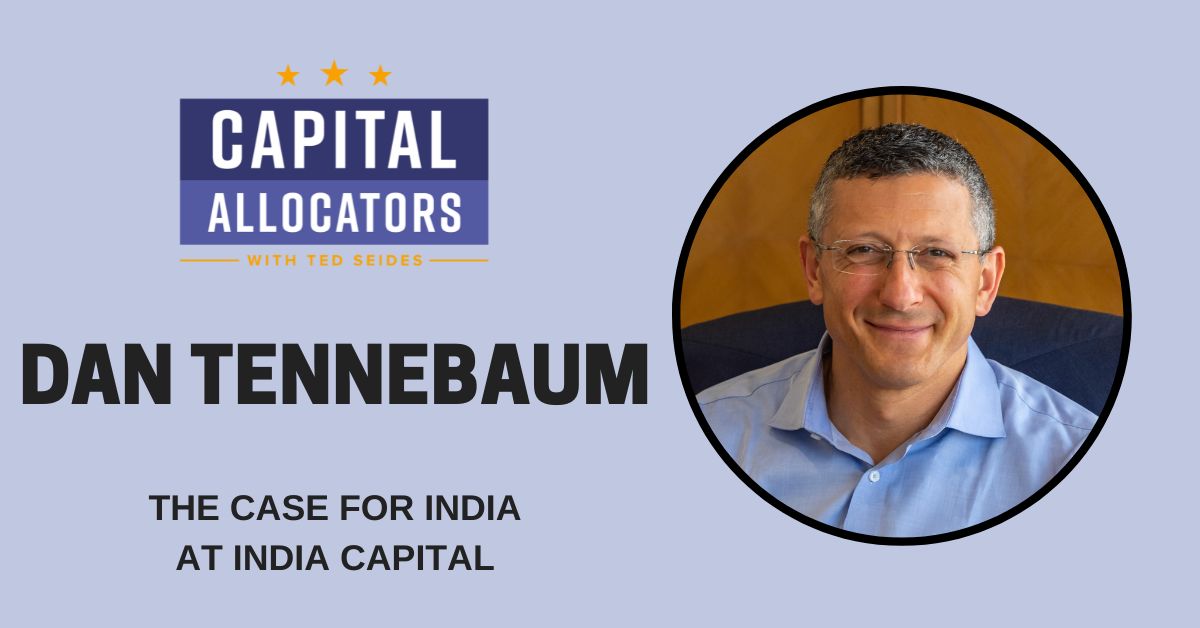
The Case For India At India Capital
Dan Tennebaum’s interview with Ted Seides on the Capital Allocators podcast.
From Ted: “Dan Tennebaum is the Managing Director at India Capital, a thirty-year-old investment firm focusing on public equities in India. Dan moved to the country twenty-five years ago and spent time in the start-up world and venture capital before pivoting to the public markets in 2007.
Our conversation covers Dan's path from a U.S. Midwesterner to India and the case for public equities. We turn to India Capital’s perspective on sourcing, research, management, regulation, valuation, portfolio construction, risk, and misperceptions, colored with some examples along the way.”
Listen to the full conversation



Listen to highlights
Our investment philosophy
Key risks and common misperceptions
Preventing permanent loss of capital
The case for Indian public equities
Investing in India Vs. China
What we're most excited about now
EXCERPTS FROM OUR MID-YEAR INVESTOR CALL
Where Is The Rupee Headed?
 Highlights
CURRENT RESEARCH













RESPONSIBLE INVESTING
The India Capital Fund has had an ethical investment policy for more than 28 years that mandates, among other things, refraining from holdings in armaments, tobacco and alcohol.
We believe that approach has enhanced our focus on sectors central to India’s responsible growth and strengthened investment performance. Portfolio companies include:




AWARDS
HFM Awards
WINNER | India Fund Of The Year | HFM Awards | 2017
NOMINATED | Best India Fund | HFM Awards | 2015 & 2016
EurekaHedge Awards
NOMINATED | Best Asian Long Only Absolute Return Fund | EurekaHedge Awards | 2015
WINNER | Best India Fund | EurekaHedge Awards | 2011
NOMIATED | Best India Fund | EurekaHedge Awards | 2010
PHILANTHROPY
We and our affiliates are pleased to support a number of organizations that work to improve health and society in India and around the world.
Ajit Deshpande Medical Center
The Ajit Deshpande Medical Center serves more than 24,000 low income patients per year, providing free care in the areas of pulmonology, dermatology, dentistry and more.
The Hospital For Sick Children
The Hospital for Sick Children is recognized as one of the world’s foremost paediatric healthcare institutions and is Canada’s leading center dedicated to advancing children’s health through the integration of patient care, research and education.
In Defense of Animals India
In Defense of Animals India is a grass roots animal protection organization based in Mumbai. The organization provides medical care and adoption services for more than 10,000 stray animals per year.


